Where Countertop Seams Land on an L-Shaped Kitchen
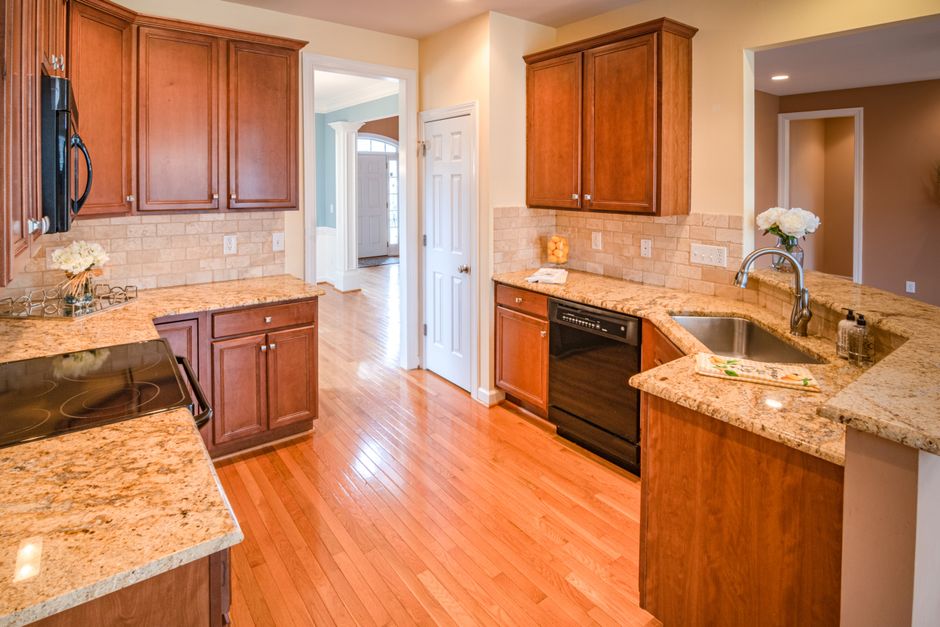
Stand at the inside corner of an L-shaped run and look at where one slab would have to end, because the answer shapes the whole kitchen, and temecula countertop installation seagulls fly sets the layout order deliberately. In a Temecula, CA house the countertop usually needs one seam at the corner or just beside it, and the placement is decided long before the crew arrives.
Why the corner is the usual spot
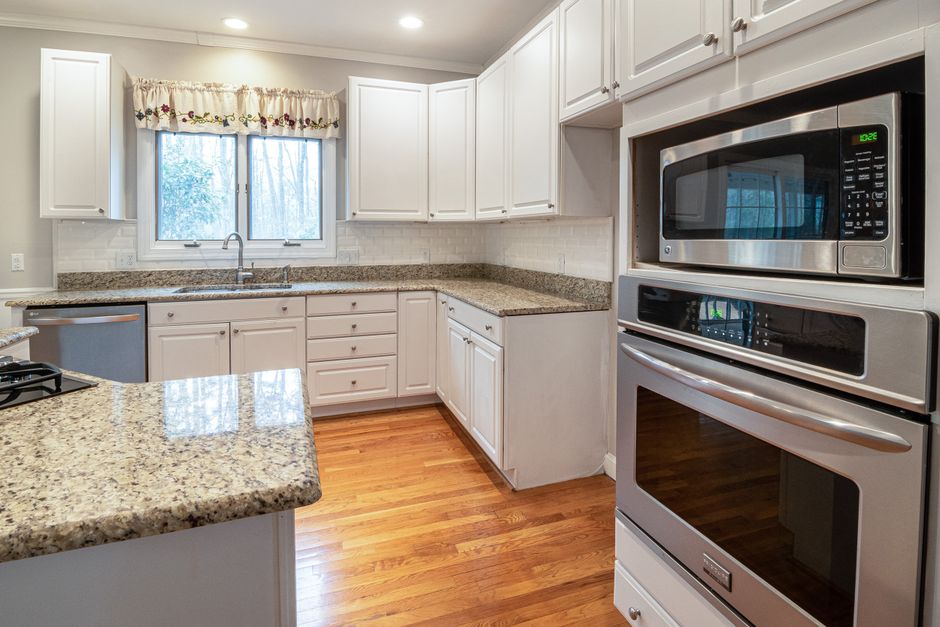
An L-shaped run is two straight pieces meeting at ninety degrees. Cutting a single L from one slab wastes a large amount of stone and leaves narrow, fragile legs. Two straight pieces joined at a seam give a stronger layout and use the slab better. The inside corner is also where the cabinets meet, so the support under the join is already solid.
Keeping the seam away from cutouts
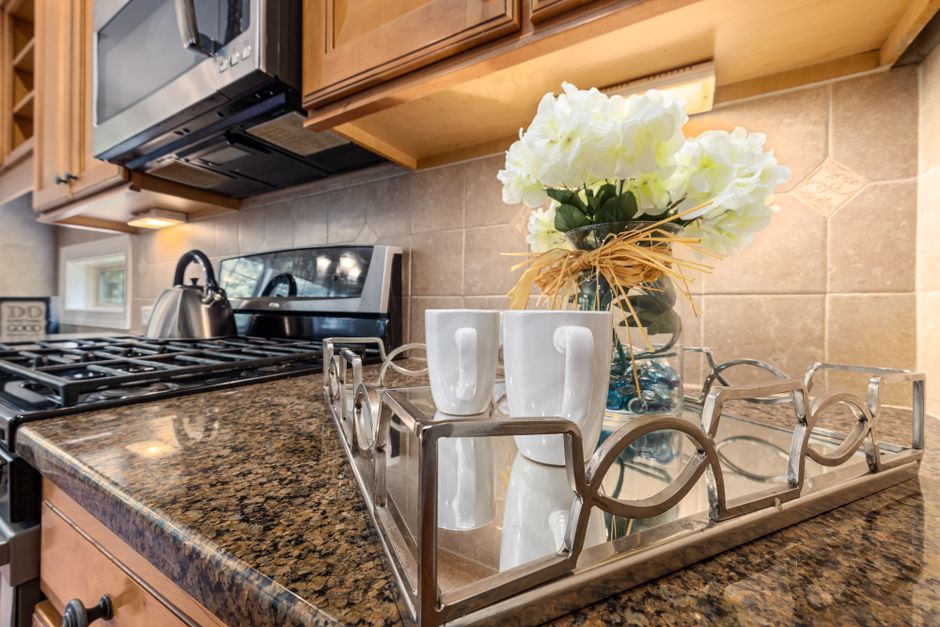
A seam should stay away from the sink cutout and the cooktop cutout. Stone is weakest at the narrow strips beside an opening, and a seam there takes stress from both directions. Crews aim for a generous stretch of solid stone between a seam and any cutout. If a layout puts a seam too close, the pieces get reshuffled before cutting, not patched afterward.
Slab width and the island
Island tops often exceed the width of a single slab, especially with a waterfall edge or a deep seating overhang. A seam on the island is planned so the veining in marble, quartzite or granite carries across, and so the seam falls where no sink or cooktop sits. Quartz has a uniform pattern, which makes the join harder to see.
How a seam is joined
The two edges are set dry first and checked for fit. Then a color-matched adhesive goes between them, and the pieces are pulled tight with suction-cup seam setters or clamps. Leveling matters: the two tops must sit at the same height, so the installer uses shims under the slab and checks with a straight edge. Excess adhesive is scraped before it hardens, and the line is polished.
What a good seam looks like
A tight seam is a hairline that a fingernail barely catches. Darker stone hides it best. Light stone shows the adhesive color, so the shop matches it to the slab. On a hot day near Pechanga or farther east in Riverside County, adhesive sets quicker, so the crew works fast and keeps the pieces shaded until the join is made.
A seam is a decision about stone, not a defect. The goal is one clean line, away from water and heat, on a base that does not move. Kitchens in older Temecula ranch houses sometimes have walls that lean, and the seam gets set to the cabinets rather than the wall.