How Slabs Get Carried Into a Temecula House
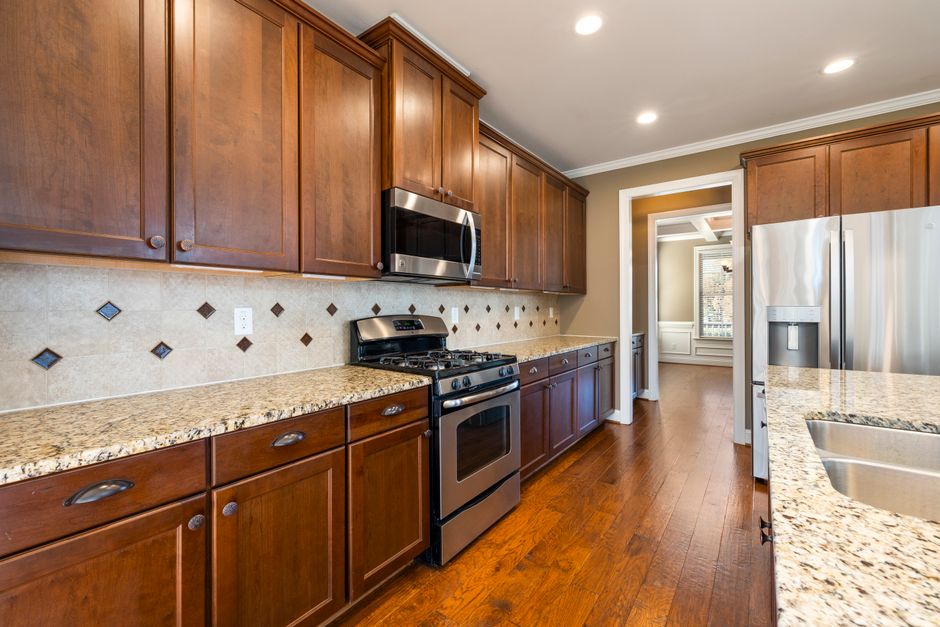
The slab is supposed to arrive at the cabinets in one piece. Often the hard part is the thirty feet between the truck and the front door, and the breakdown sitting on temecula countertop installation seagulls fly lists those steps in the order a crew handles them. Every countertop in Temecula, CA goes through the same route: street, driveway, door, hallway, kitchen.
The truck and the street
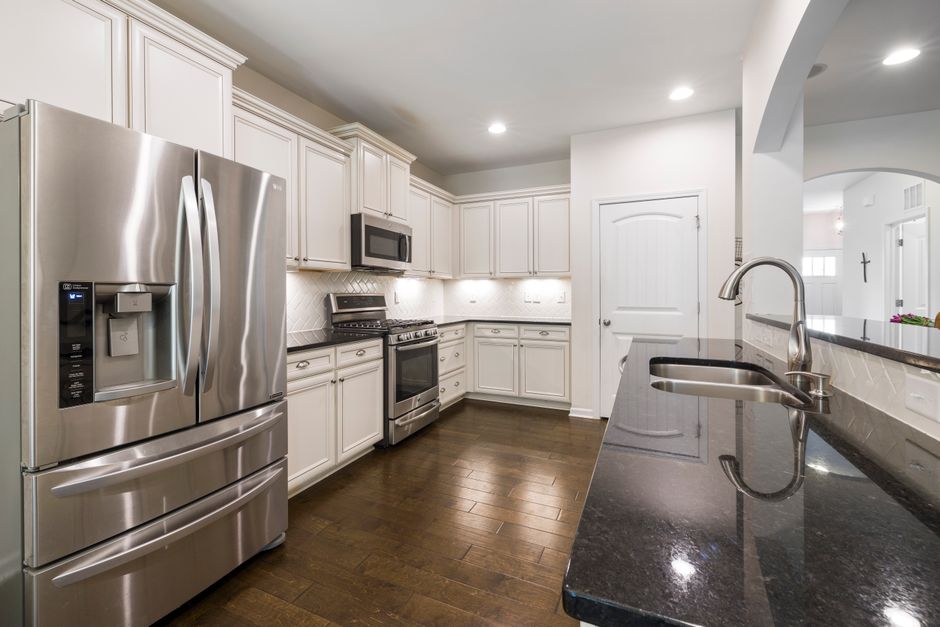
Many Temecula tract streets are narrow once cars are parked along both curbs, and a flatbed or a rack truck needs room to stand while the crew unloads. Crews often ask for the driveway to be cleared and for any basketball hoop or trash bin to be moved the night before. A truck that has to stop two houses away adds carrying distance, and a slab does not tolerate extra distance well.
A-frame carts and the carry
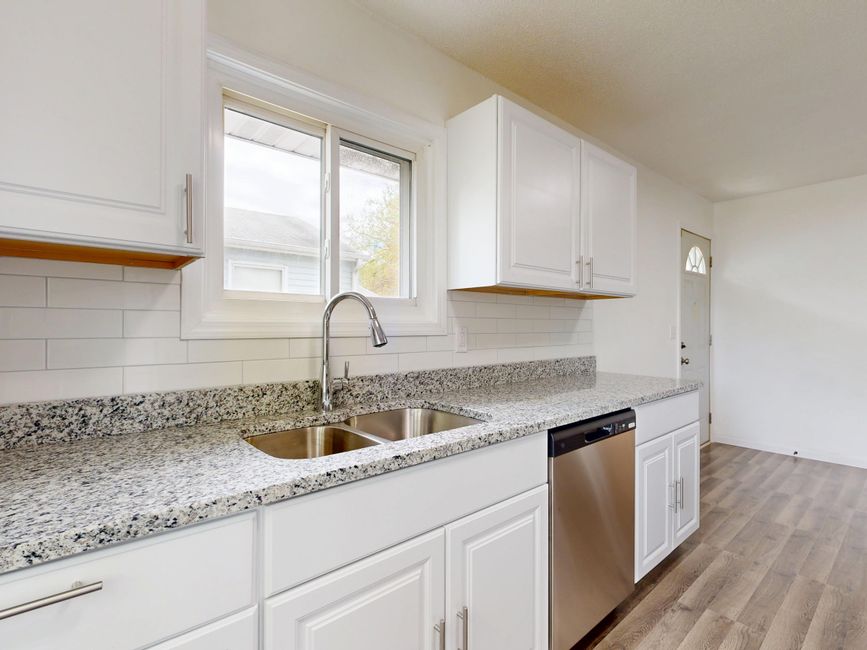
Slabs travel on edge. Granite, quartz and porcelain are carried on an A-frame cart or by hand with suction cups, never flat, because a flat slab flexes and can crack along a weak line. Two people carry a cut piece, and long pieces take three or four. A seam placed in the layout keeps each piece short enough to turn the corner in a hallway.
Door and hallway clearance
Before install day, the crew checks the front door width, the turns, and any low light fixture or ceiling fan. A ranch house with a straight hall from the entry to the kitchen is easy. A two-story tract house with a stair landing is harder, and the piece may go in through the back slider instead. Lifting a door off its hinges costs a few minutes and saves a chipped corner.
Protecting the floor
Hardwood, tile and laminate planks all take damage from a cart wheel or a dropped corner. Crews lay hardboard or heavy paper along the path, and the finished edge of each piece gets foam corners. Dust and slurry from cutting stay outside where they can, which matters because the wind coming up the Murrieta Creek corridor carries grit into open doors anyway.
Why a long run splits at a seam
A single slab only has so much length, and a long kitchen wall often exceeds it. The run is split at a seam so each piece is carryable and so the sink cutout and cooktop cutout are not weakened by sitting too close to an end. A good seam placement is picked from the template, not improvised on site, and it is chosen with the carry in mind.
Crew size follows the heaviest piece. An island top, often the biggest single piece in a ranch house kitchen, drives the headcount for the day, and the same people who carry it set it down on the cabinets.